A Yogyakarta History Tour is more than just visiting ancient temples it is a journey through the heart of Java’s civilization. From the spiritual grandeur of Borobudur to the majestic Hindu legacy of Prambanan and the living traditions of the Javanese Royal Kingdom, Yogyakarta offers one of Southeast Asia’s richest cultural experiences.
Located in Central Java, Yogyakarta (often called Jogja) is widely regarded as the cultural soul of Indonesia. Unlike other destinations that focus purely on scenery, Yogyakarta invites travelers to understand history, philosophy, religion, and royal traditions that have shaped Java for more than a thousand years. This unique blend of ancient monuments and living heritage makes a Yogyakarta history tour an essential experience for culturally curious travelers.
Borobudur Temple, the world’s largest Buddhist monument, reflects centuries of spiritual devotion carved into volcanic stone. Just a short drive away, Prambanan Temple stands as Indonesia’s most impressive Hindu complex, telling epic stories of gods, love, and cosmic balance. Completing the journey is the Yogyakarta Royal Palace (Keraton), where Javanese kings still preserve rituals, etiquette, and traditions passed down for generations.
As a local travel specialist based in Java, I’ve guided thousands of international travelers through these historic sites. This guide is designed to help you explore Yogyakarta with confidence understanding not only where to go, but why these places matter. Whether this is your first time in Indonesia or part of a longer Java Bali journey, this Yogyakarta history tour will leave you with deep cultural insight and unforgettable memories.
Detailed Itinerary: A Day-by-Day Yogyakarta History Tour
Day 1: Borobudur Temple & Ancient Buddhist Legacy
Your journey begins early in the morning, when Yogyakarta is still quiet and cool. Borobudur Temple is located about 1.5 hours from the city, surrounded by rice fields and volcanoes. Arriving early is essential not only to avoid crowds, but to experience the site in a more spiritual atmosphere.
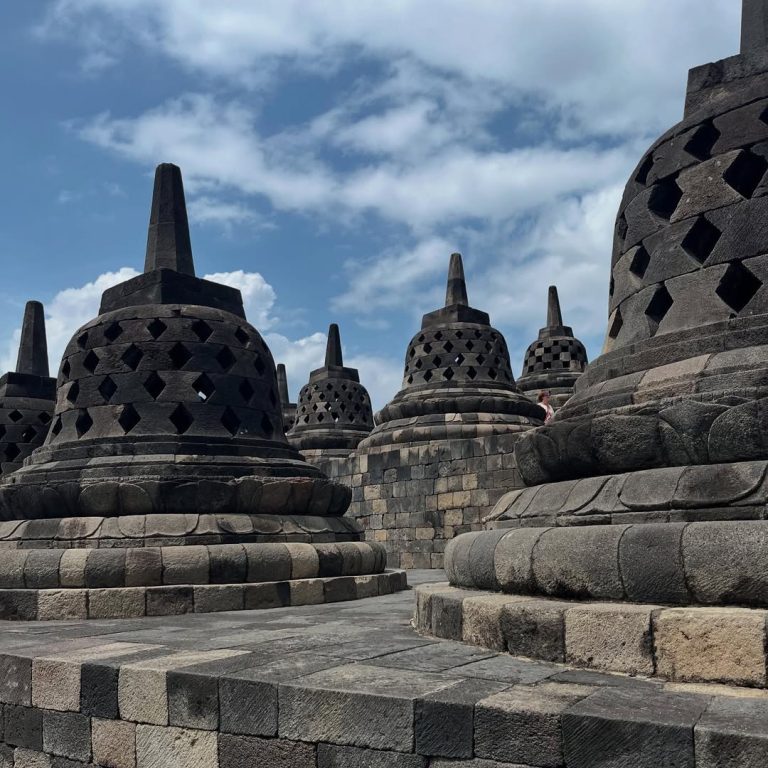
Built in the 9th century during the Sailendra Dynasty, Borobudur is designed as a massive three-dimensional mandala. As you walk upward through its levels, you symbolically move from the world of desire to enlightenment. Over 2,600 stone reliefs tell stories of Buddha’s life, moral teachings, and ancient Javanese society.
With a knowledgeable guide, Borobudur becomes more than a photo stop. You’ll learn why the temple was buried for centuries, how volcanic eruptions preserved it, and what each relief panel truly represents. After exploring the upper stupas, enjoy a local lunch in the Borobudur village area before returning to Yogyakarta in the afternoon.
Day 2: Prambanan Temple & Hindu Epic Stories
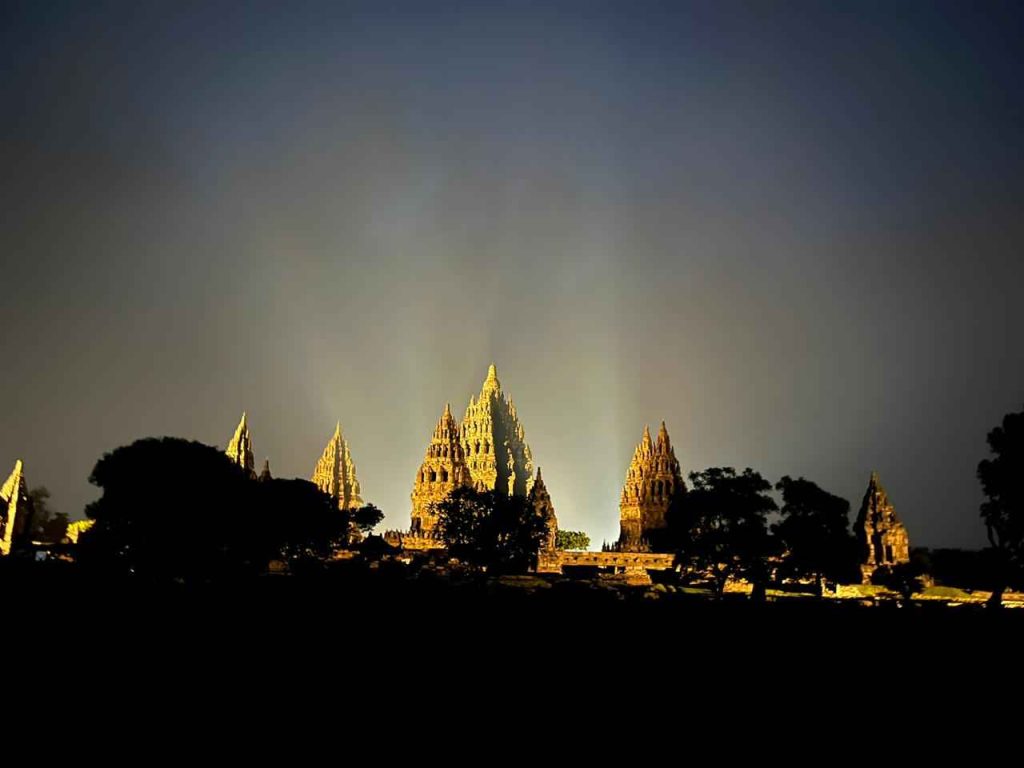
Day two takes you east of Yogyakarta to Prambanan, the largest Hindu temple complex in Indonesia and a UNESCO World Heritage Site. Unlike Borobudur’s spiritual calm, Prambanan impresses visitors with its towering spires and dramatic stone carvings.
Dedicated to the Hindu Trimurti Brahma, Vishnu, and Shiva Prambanan was built in the 9th century and reflects a powerful Hindu kingdom that once ruled Central Java. As you walk through the complex, your guide will explain the Ramayana epic carved into the temple walls, depicting battles between good and evil, devotion, and destiny.
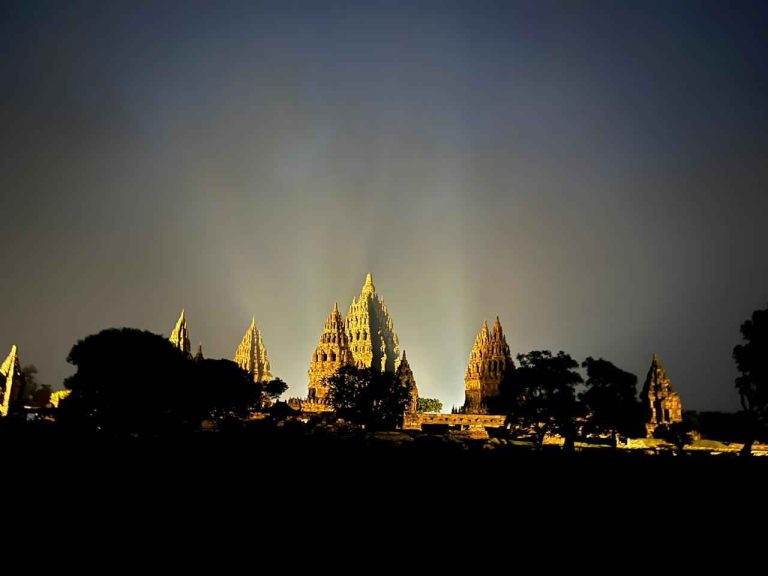
In the late afternoon, the light at Prambanan becomes magical, making it one of the best photography spots in Yogyakarta. If your schedule allows, an optional Ramayana Ballet performance in the evening offers a deeper cultural experience through traditional dance and music, with Prambanan illuminated as the backdrop.
Day 3: The Royal Kingdom of Yogyakarta (Keraton & City Heritage)
The final day focuses on Yogyakarta itself the only Indonesian city still ruled by a sultan. The Yogyakarta Royal Palace (Keraton) is not a museum in the traditional sense; it is a living palace where royal traditions continue daily.
Inside the Keraton, you’ll witness traditional Javanese architecture, royal heirlooms, and cultural performances such as gamelan music and classical dance. Your guide will explain Javanese philosophy, including concepts of harmony, respect, and balance that still influence local life today.
The tour continues to nearby heritage sites such as Taman Sari Water Castle and historic neighborhoods where batik art and silver craftsmanship thrive. This day offers a deeper understanding of how ancient traditions coexist with modern Indonesian life.
Logistics & Practical Information
Getting to Yogyakarta
Yogyakarta is easily accessible by flight from Jakarta, Bali, or Singapore. The city also has excellent train connections from Jakarta and Surabaya, offering scenic views of Java’s countryside.
Best Transportation Option
For a Yogyakarta history tour, I strongly recommend hiring a private driver with a licensed guide. Public transportation does not reach Borobudur efficiently, and navigating temple zones independently can be confusing for first-time visitors.
Great Tours Travel
📍 Yogyakarta, Indonesia
✉️ greattourstravel01@gmail.com
📞 +62 813 9253 5181
Your unforgettable Indonesian journey starts here.