The Living Heart of Javanese Culture
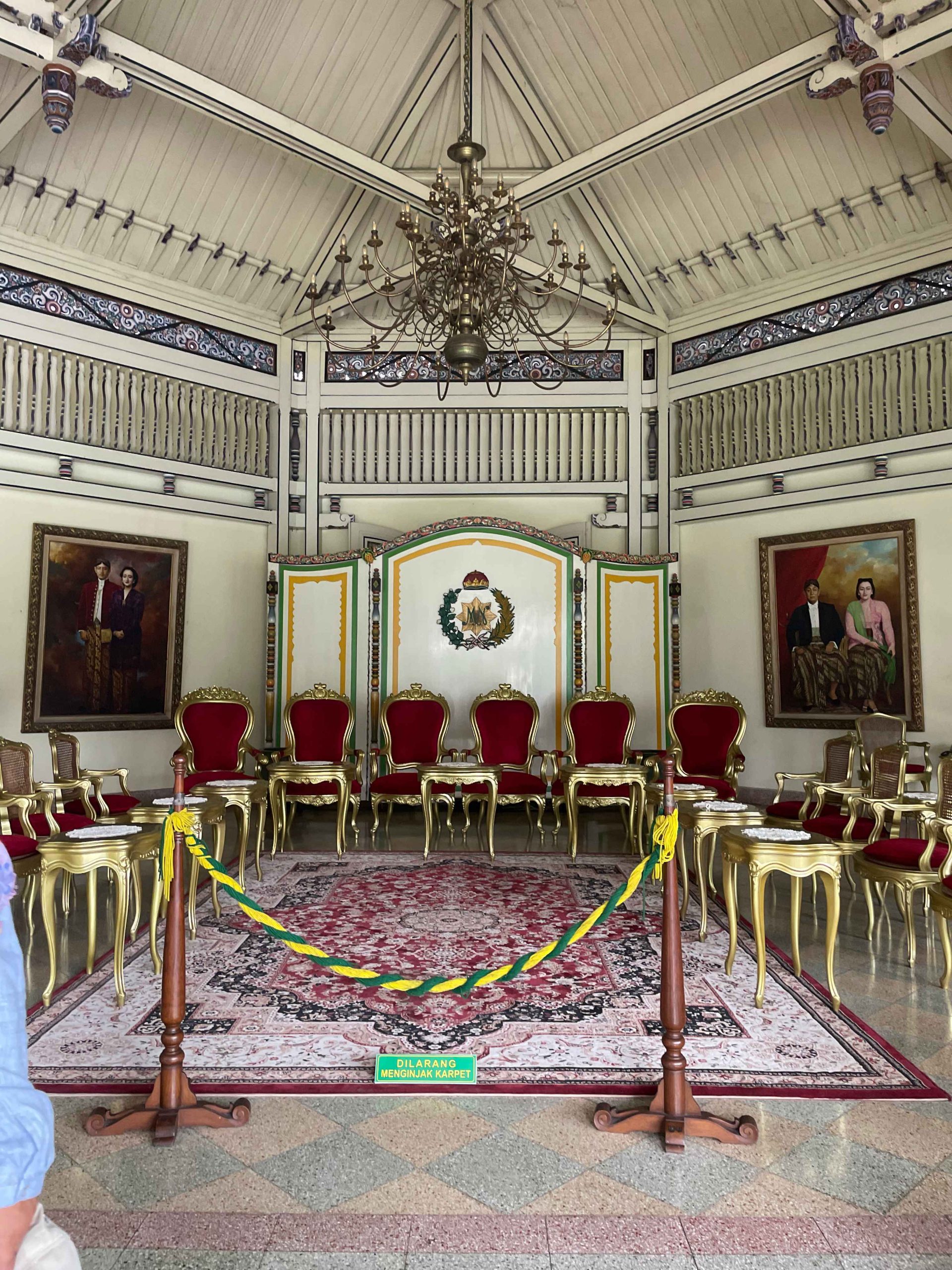
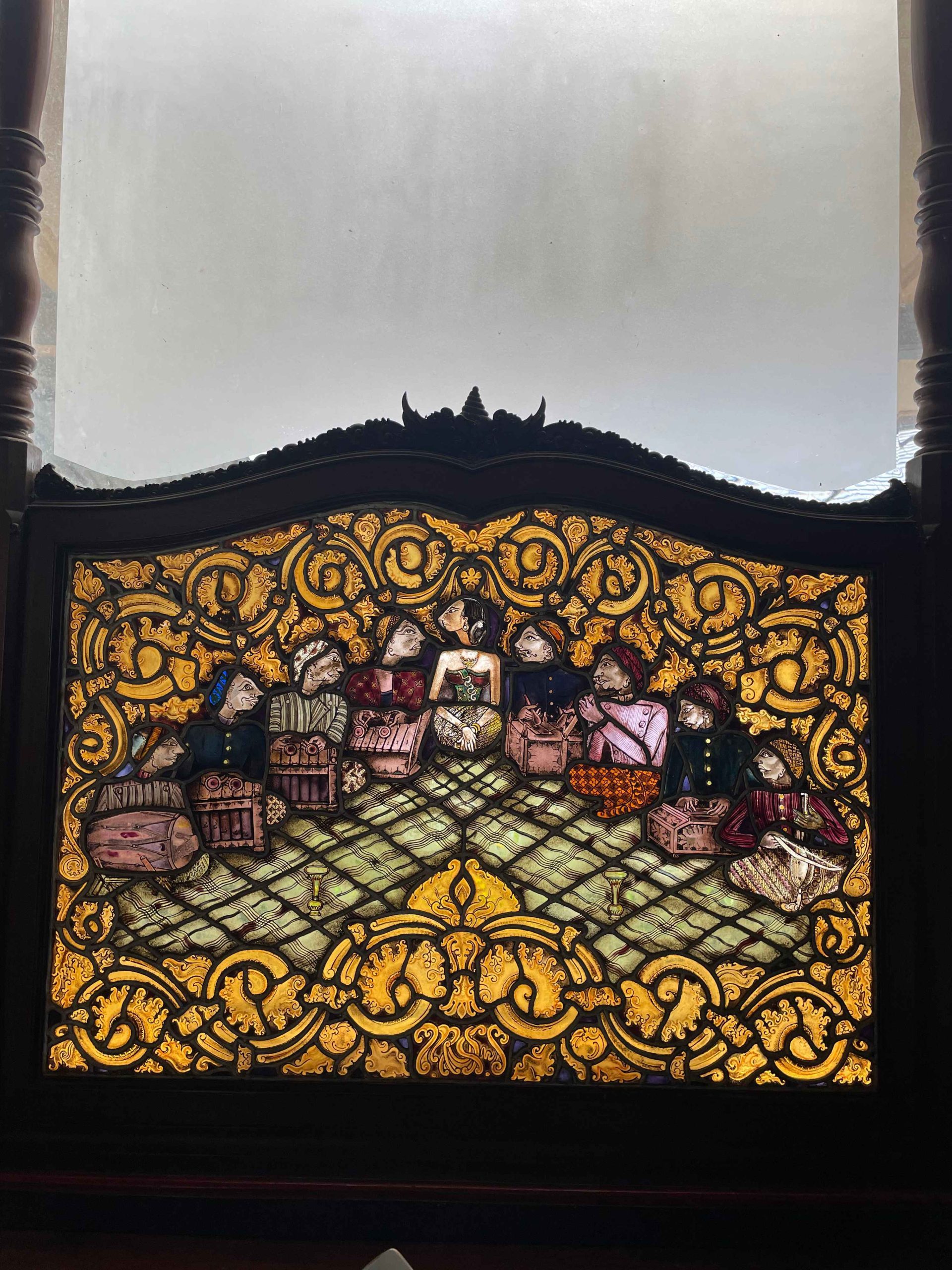
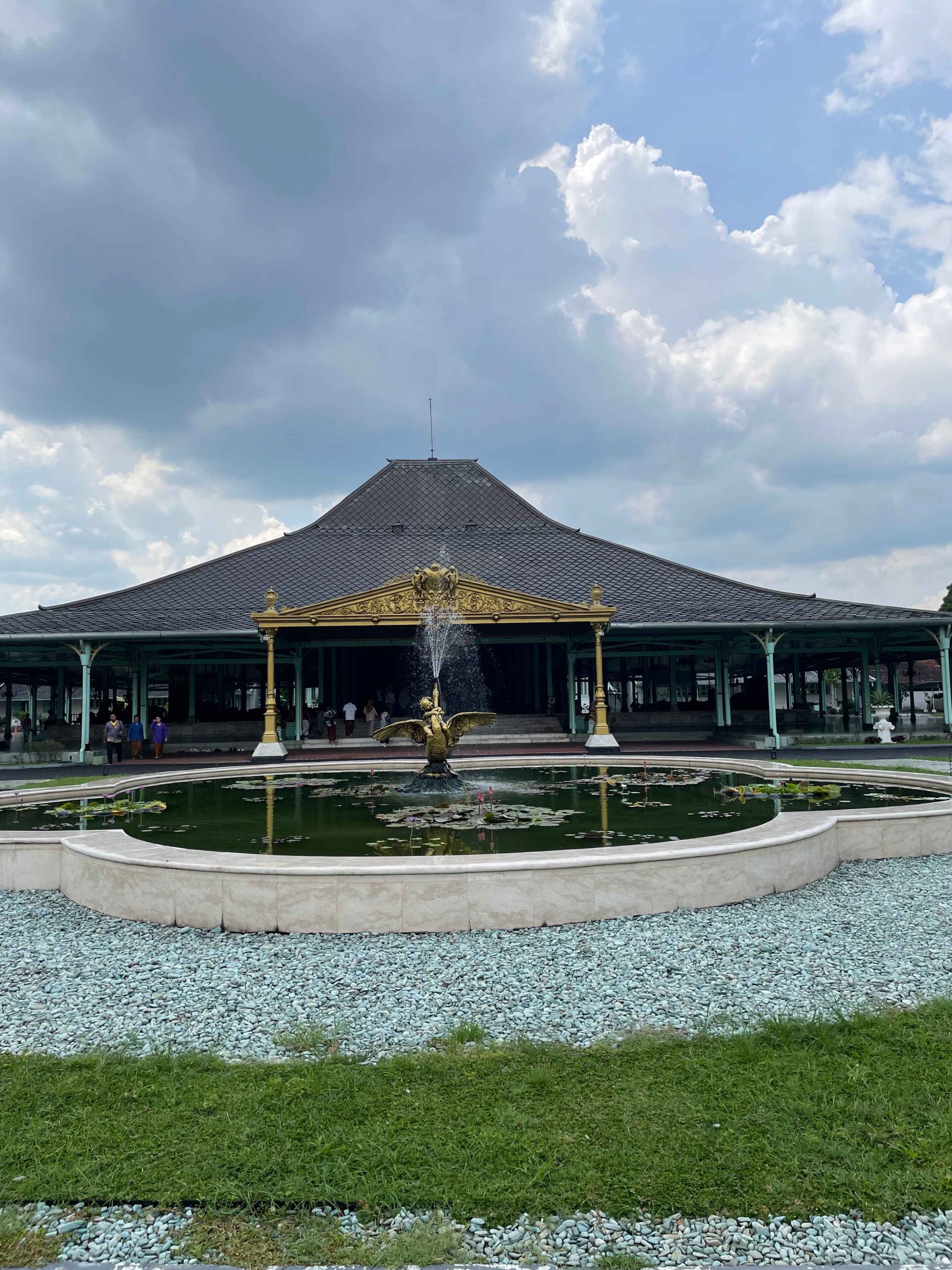
Located in the heart of Surakarta (Solo), Pura Mangkunegaran stands as a majestic symbol of Central Java’s royal heritage. Established in the 18th century, this palace serves as the official residence of the Dukes of Mangkunegaran, from Mangkunegara I to Mangkunegara X. Beyond being a royal residence, it is a living monument that bridges the grandeur of Java’s feudal history with the elegance of its enduring culture. Visitors entering the palace grounds are immediately drawn into an atmosphere of dignity, grace, and timeless tradition.
A Palace Born from History and Diplomacy
The origins of Pura Mangkunegaran trace back to the Treaty of Salatiga in 1757, a pivotal agreement that ended years of conflict in the Mataram Kingdom. The treaty recognized Raden Mas Said, famously known as Pangeran Sambernyawa, as the ruler of the newly established Mangkunegaran Duchy. This moment not only marked political stability but also symbolized a new beginning a union of resilience, honor, and diplomacy among Javanese leaders and the Dutch VOC. From that day, the Mangkunegaran line became an influential pillar of Javanese aristocracy.
A Masterpiece of Javanese Palace Architecture
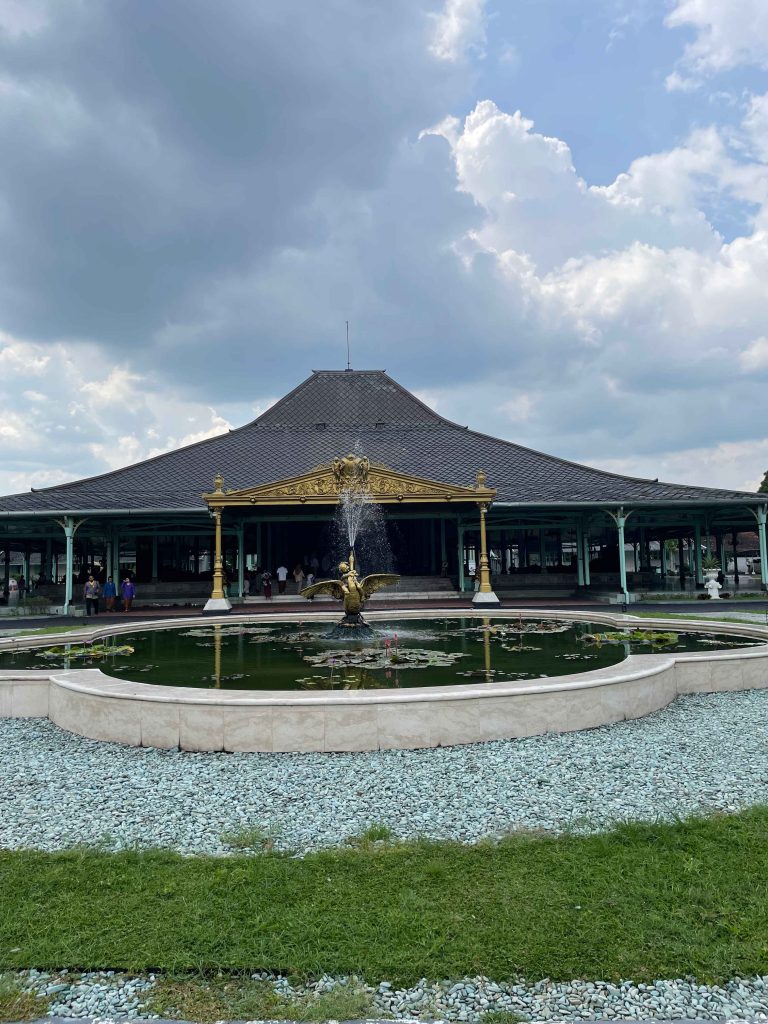
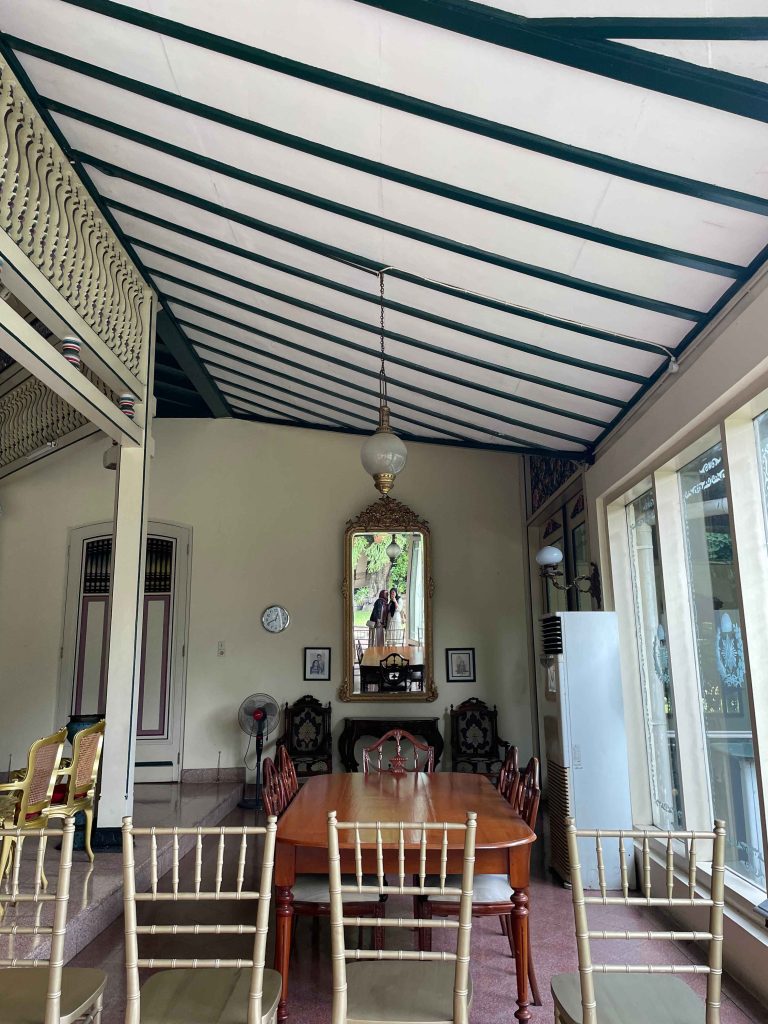
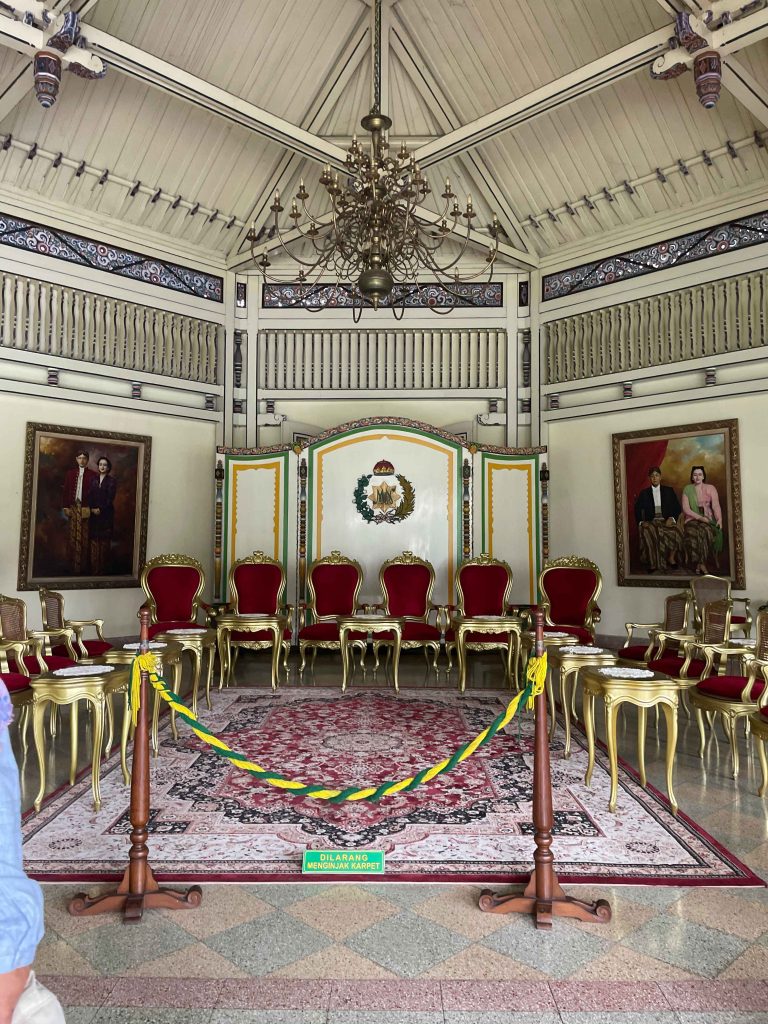
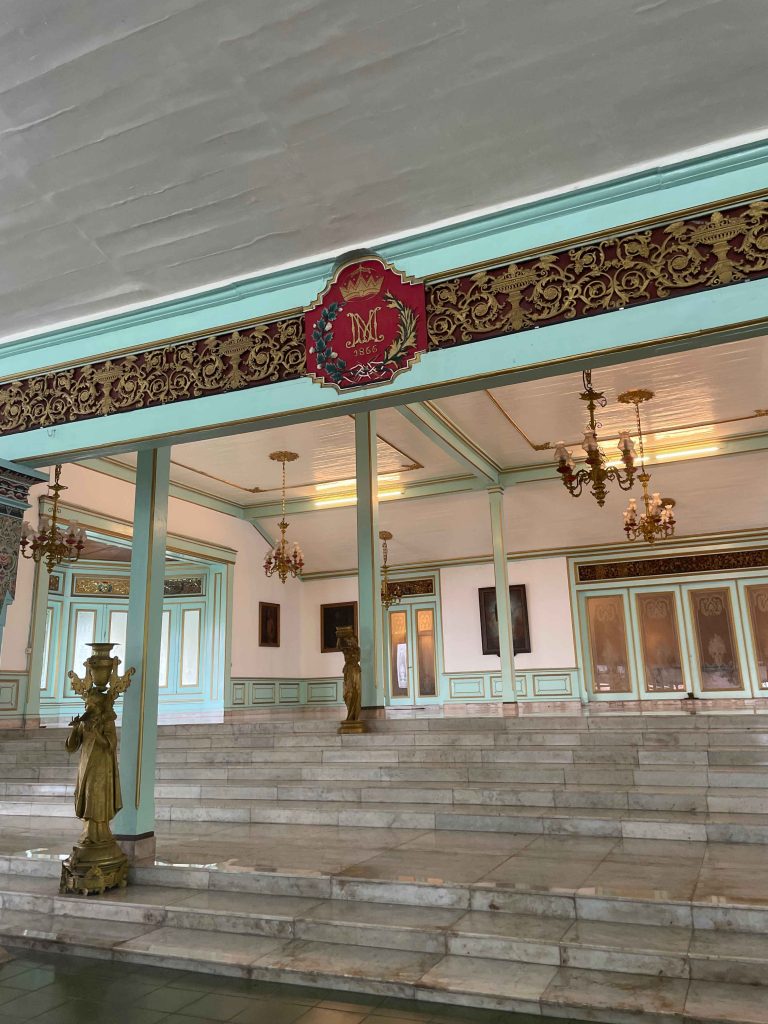
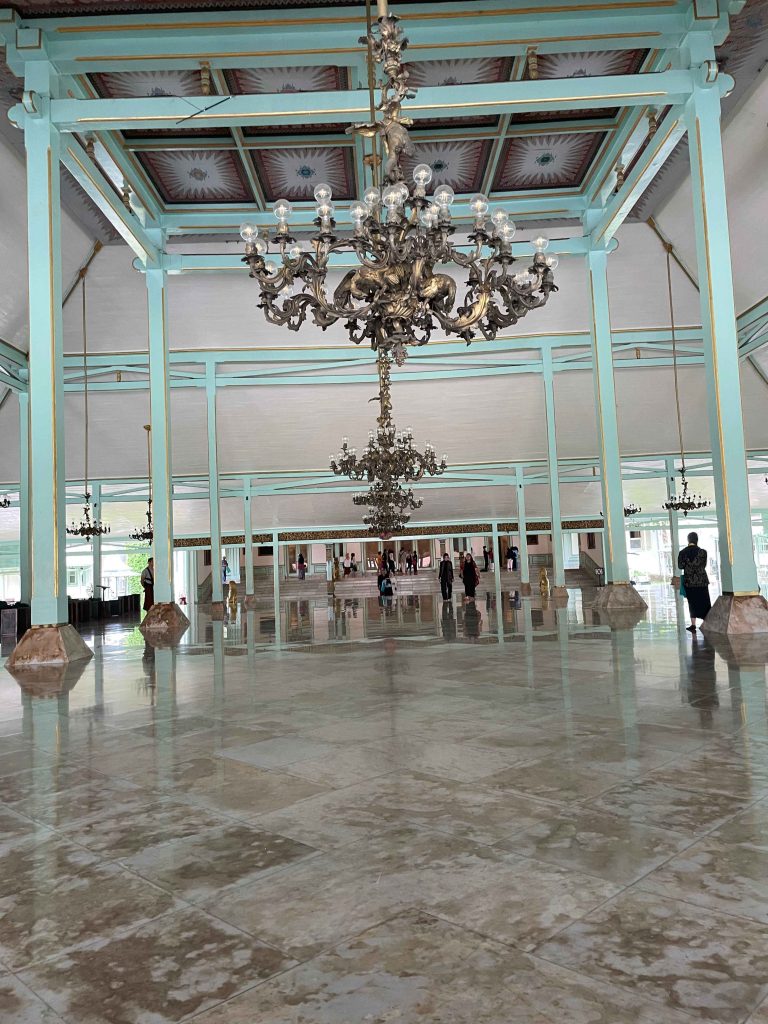
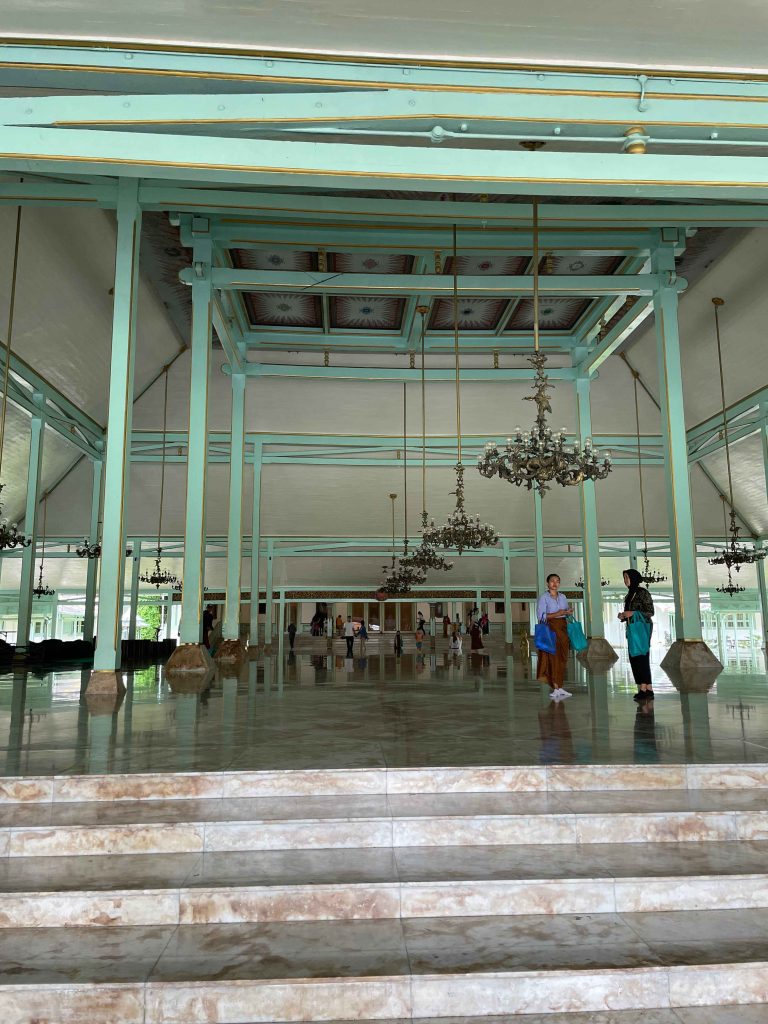
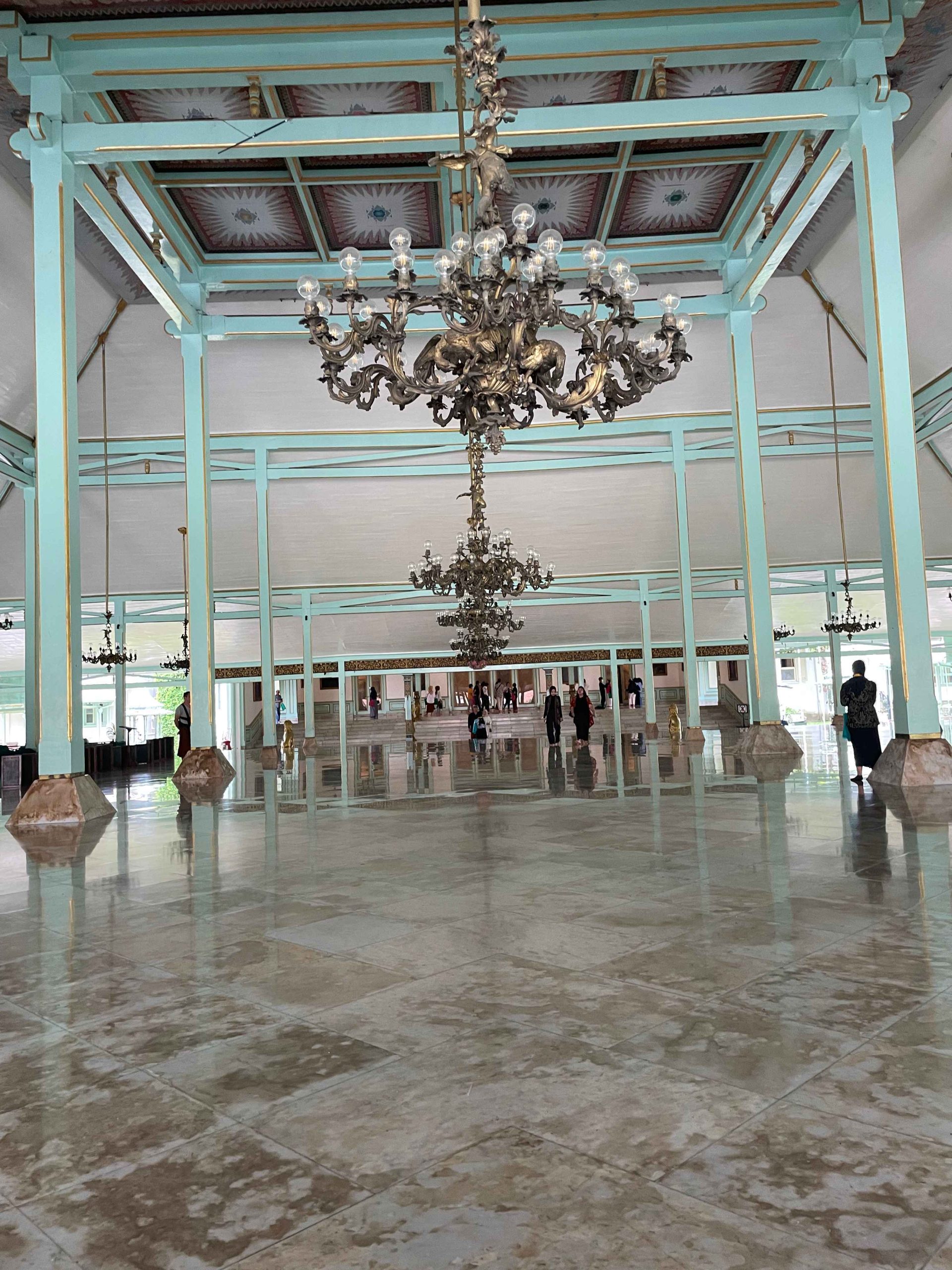
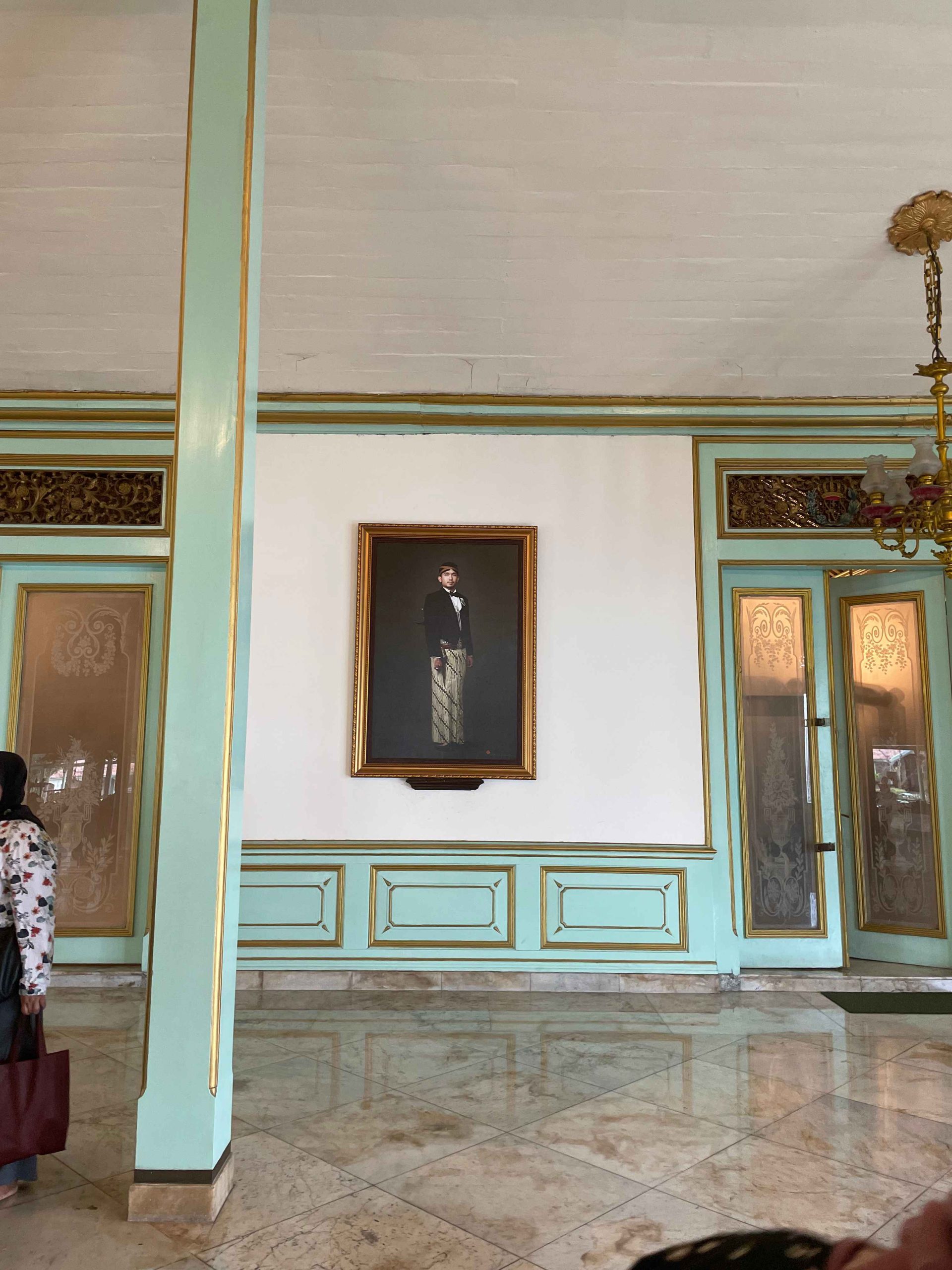
Architecturally, Pura Mangkunegaran embodies the refined balance of Javanese royal design and subtle European influence. The palace complex follows the traditional kraton layout, consisting of several main sections: the Pamédan (royal courtyard), Pendhapa Ageng (grand pavilion), Pringgitan (transition hall), Dalem Ageng (main residence), and Keputrèn (women’s quarters). Each area serves a ceremonial and social purpose, arranged in perfect symmetry. Iron fences, chandeliers, and decorative ornaments introduced during the colonial era add touches of Western sophistication without diminishing its Javanese soul.
Cultural Heart of Surakarta
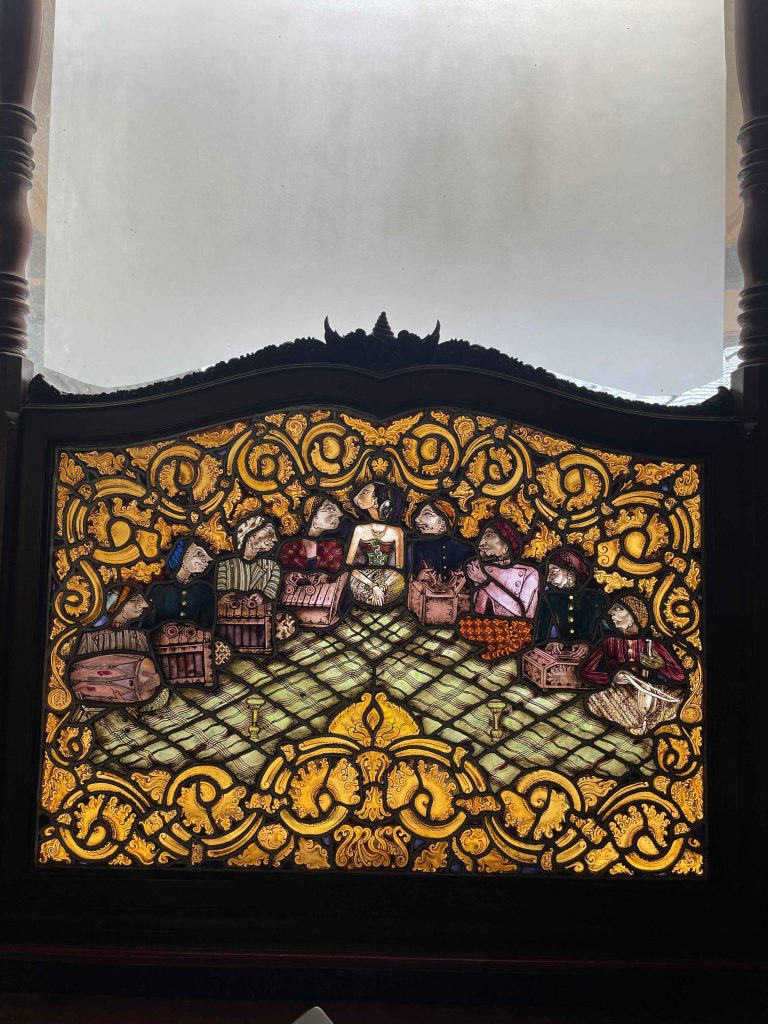
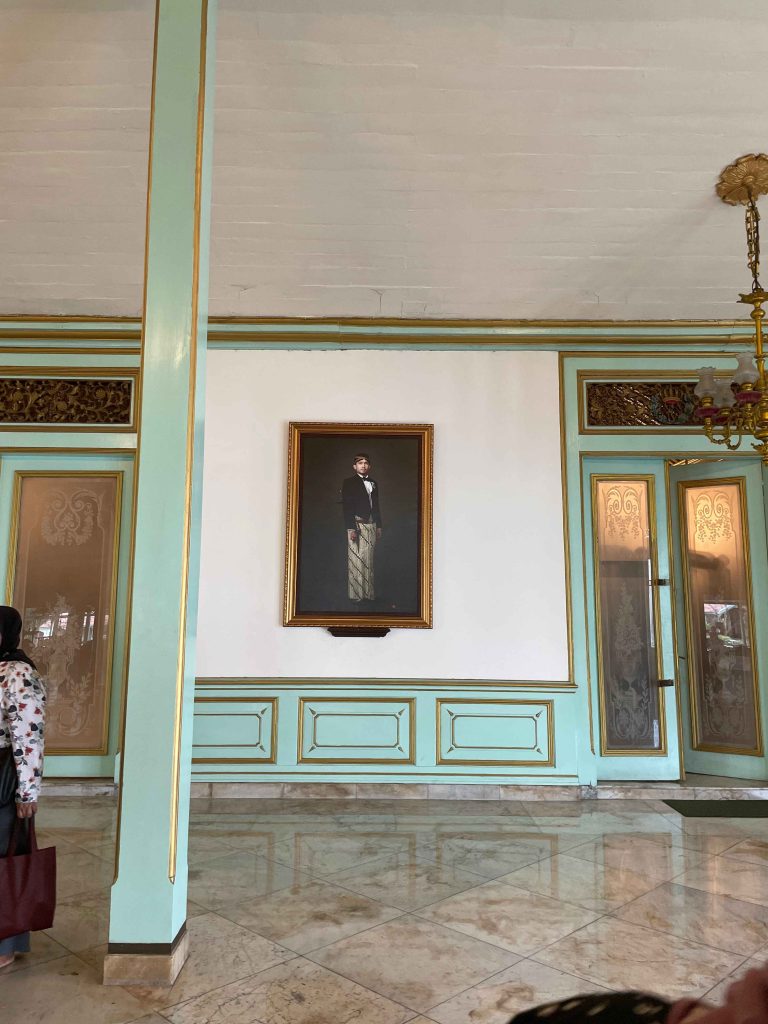
Today, Pura Mangkunegaran remains both a royal residence and a cultural center. Visitors can explore its halls filled with antique heirlooms, gamelan instruments, royal portraits, and sacred keris (daggers) that once belonged to Javanese nobility. The Pendhapa Ageng, one of the largest traditional Javanese halls ever built, frequently hosts classical dance performances, karawitan (traditional music), and royal ceremonies that continue to preserve the legacy of Mangkunegaran’s court culture. Every performance within these walls echoes the grace and rhythm of Java’s royal past.
A Living Legacy of Javanese Nobility
More than just a historical site, Pura Mangkunegaran represents the living soul of Javanese aristocracy a place where history, art, and tradition converge. Surrounded by the hum of the modern city, the palace remains a sanctuary of refinement and cultural continuity. Walking through its serene courtyards and intricately carved wooden halls, visitors can feel the enduring spirit of Pangeran Sambernyawa and the timeless elegance of Java’s royal heritage alive, respected, and celebrated in every corner of the palace.