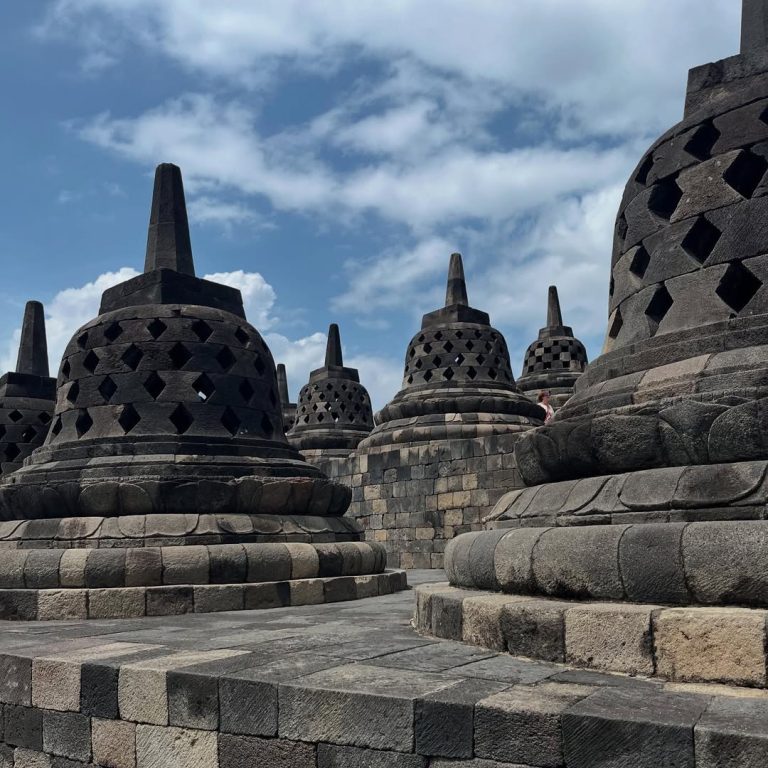
The Royal Garden of Serenity and Secrets
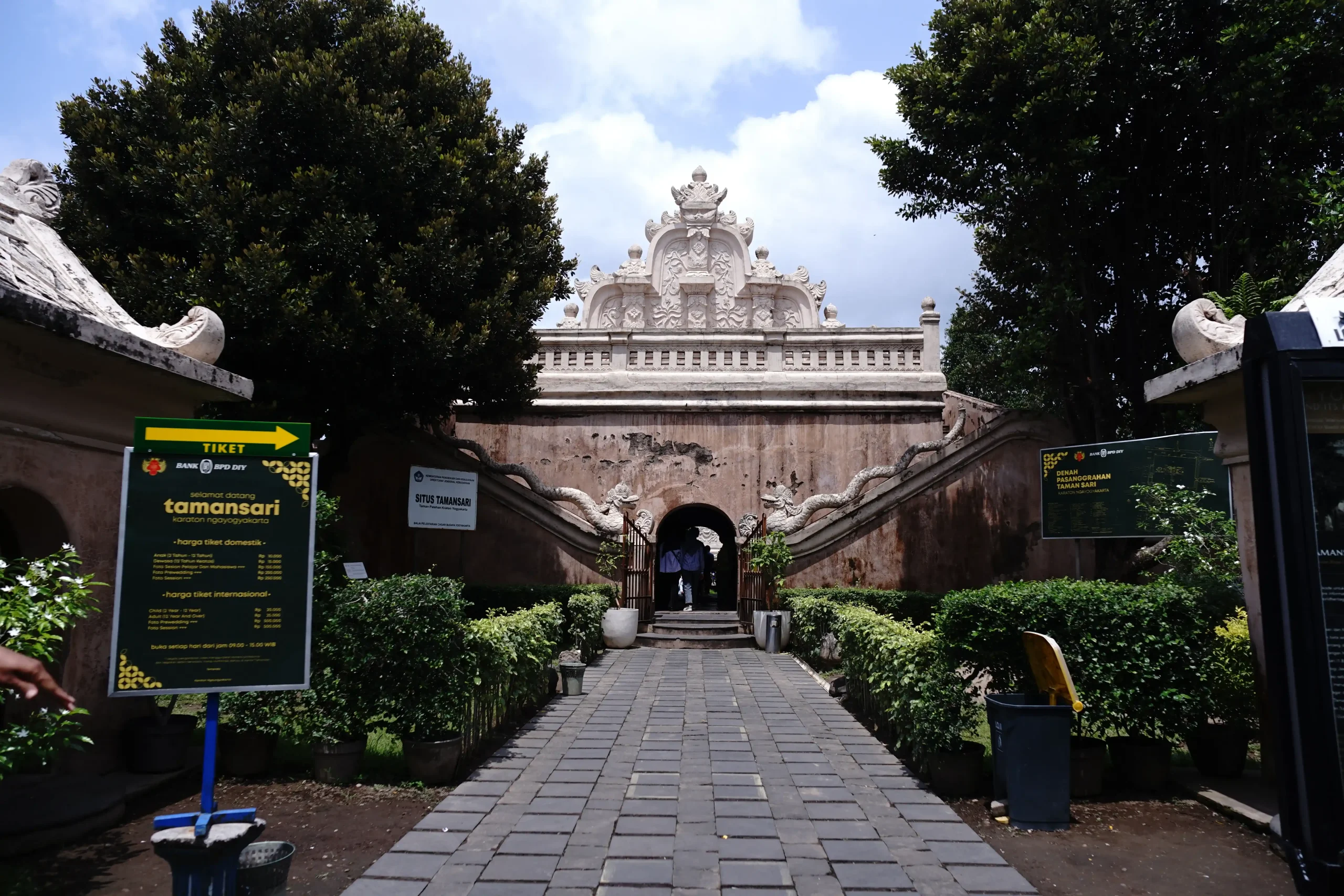
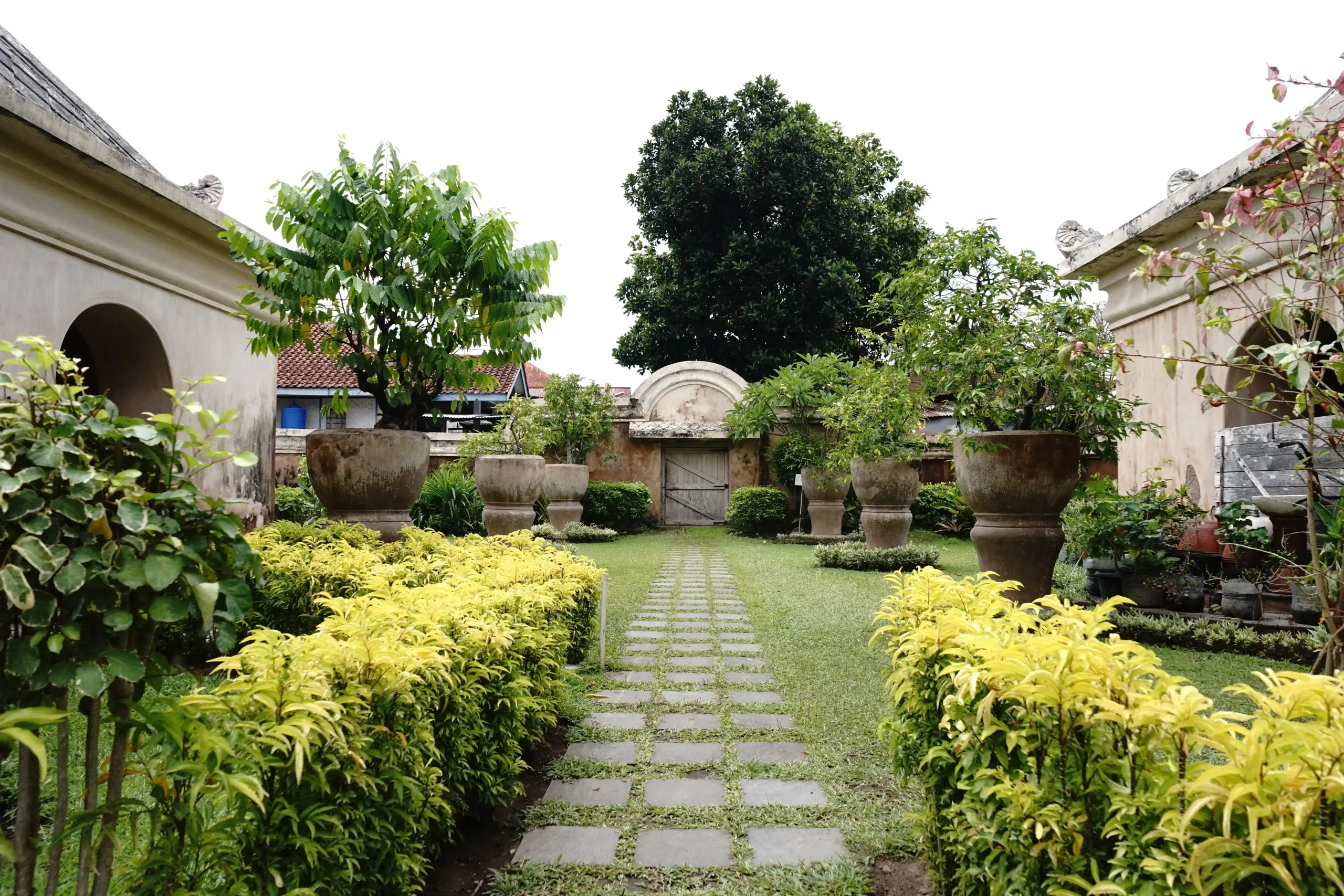

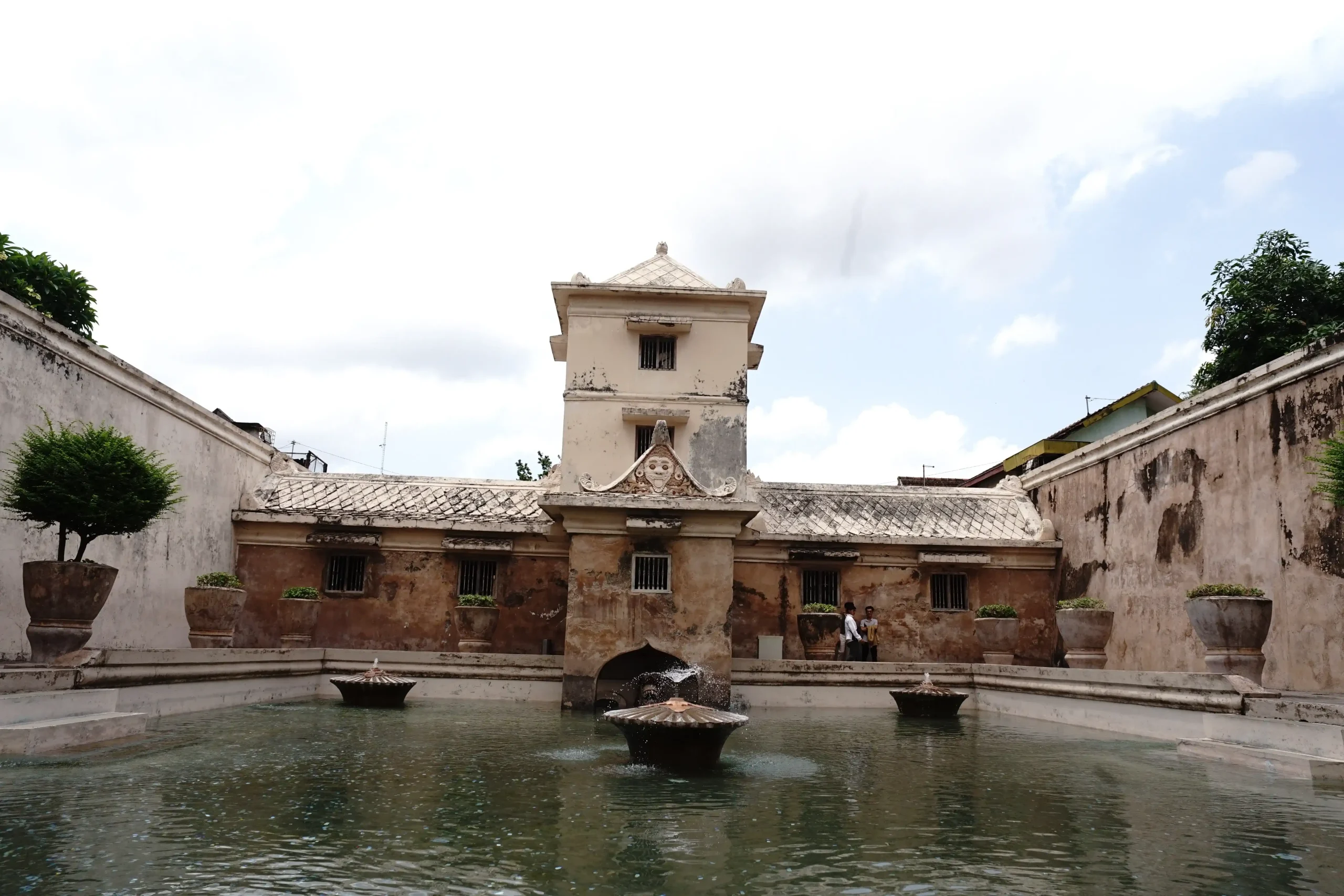
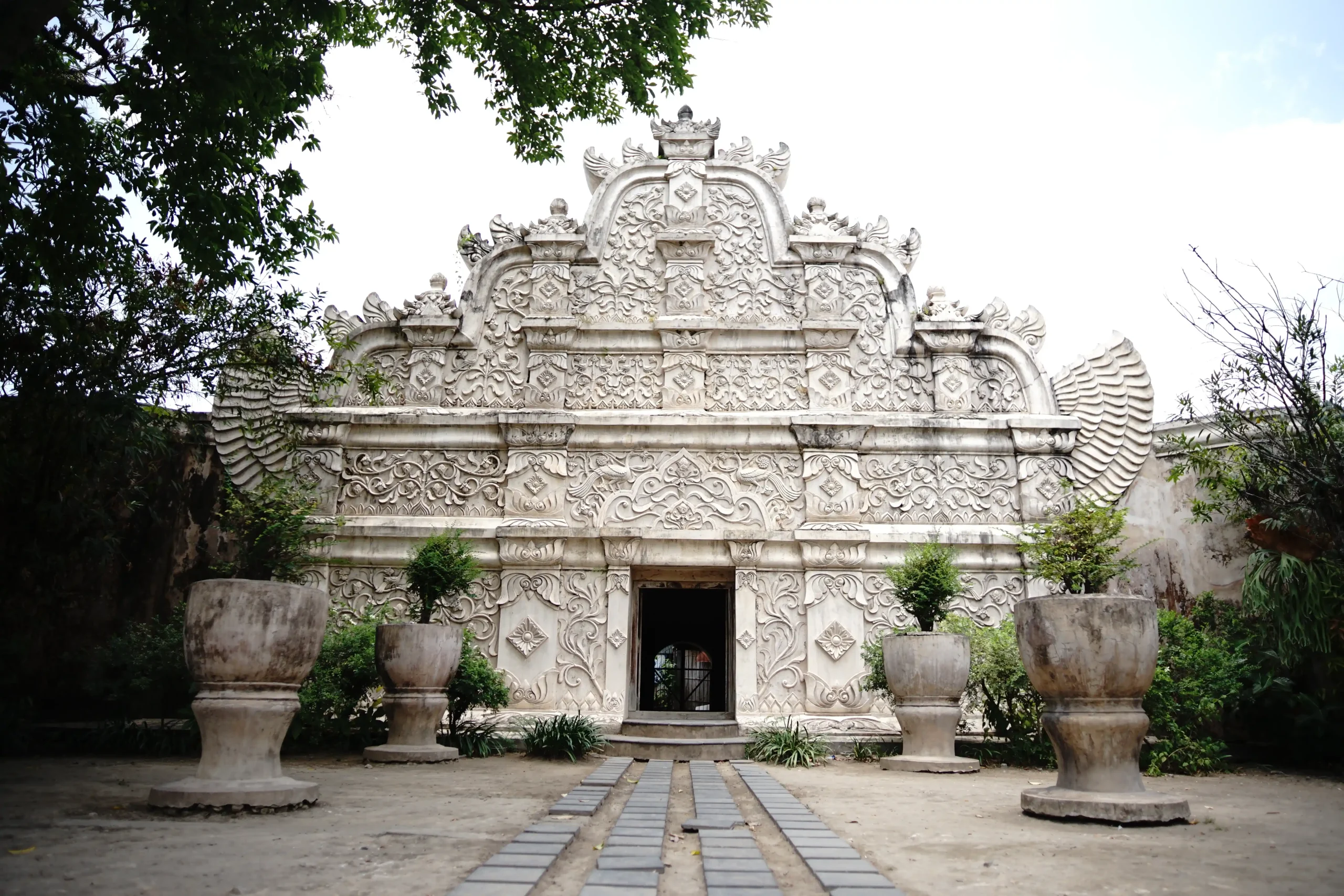
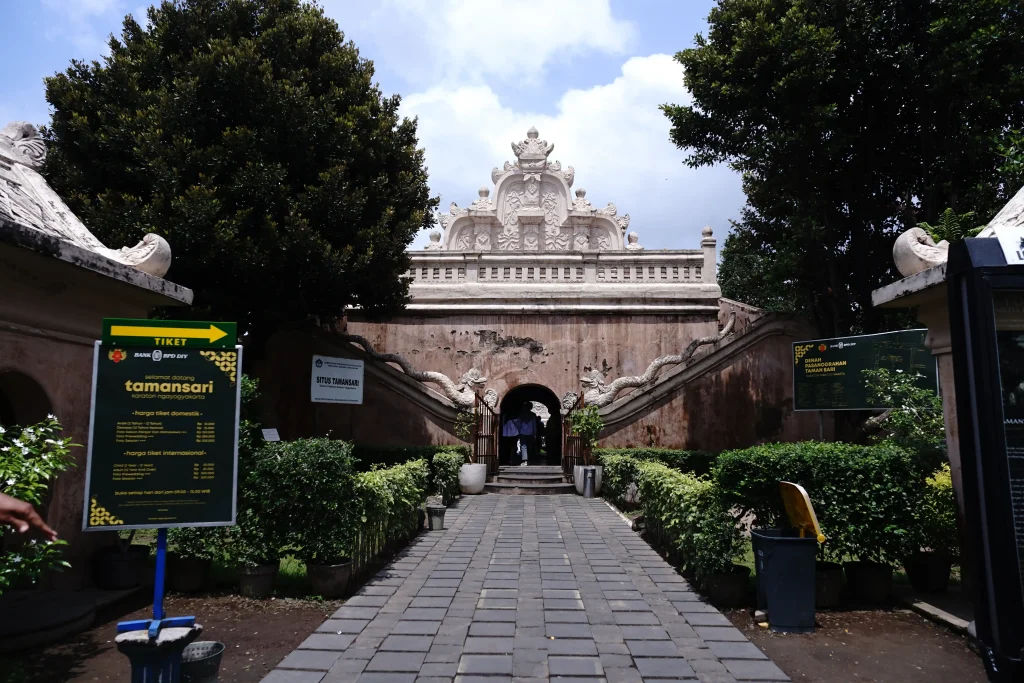
Hidden within the royal heart of Yogyakarta lies Taman Sari Water Castle, an 18th-century architectural masterpiece built by Sultan Hamengkubuwono I of the Yogyakarta Sultanate. Once a luxurious royal retreat, this vast complex was designed as both a pleasure garden and a fortified sanctuary, blending artistry, leisure, and strategy into one extraordinary heritage site. Constructed between 1758 and 1765, Taman Sari once covered over 10 hectares, consisting of palaces, artificial lakes, bathing pools, pavilions, underground tunnels, and a mosque. In its prime, it was a world of elegance and mystery a place where the Sultan and his family could relax, meditate, and seek refuge from danger. The name Taman Sari, meaning “Fragrant Garden,” perfectly captures its former glory as a haven of beauty and tranquility.
A Palace of Water and Dreams
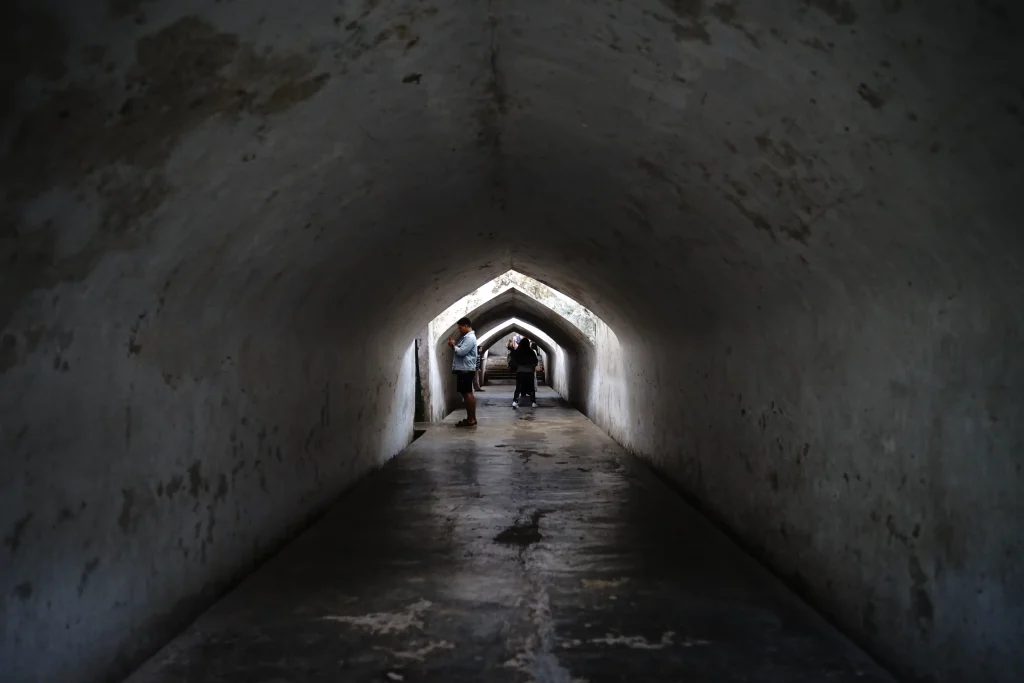
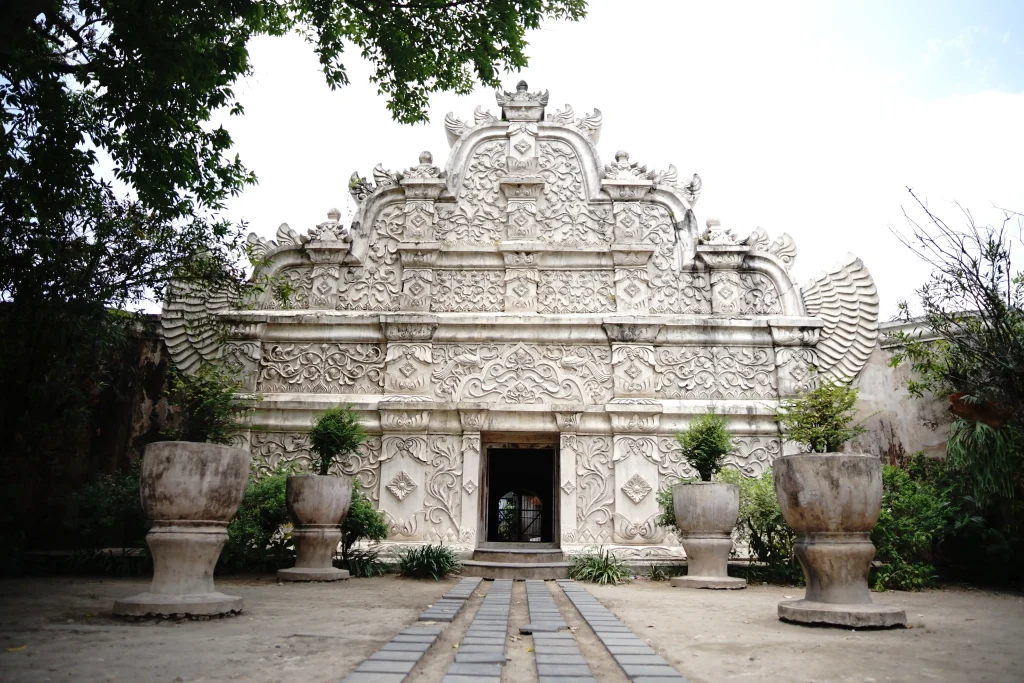
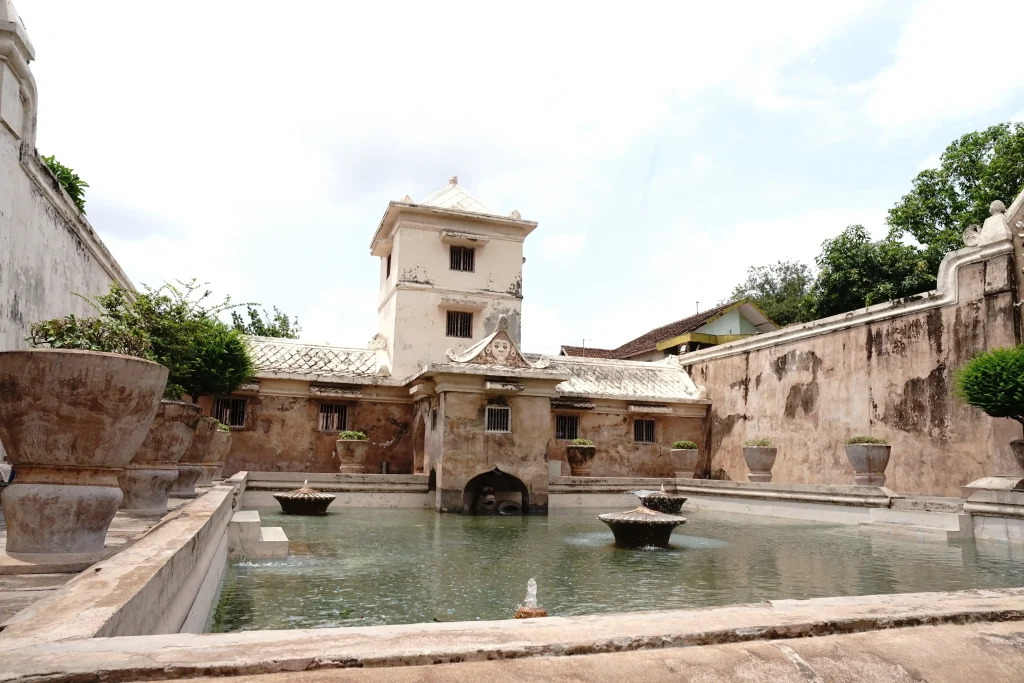
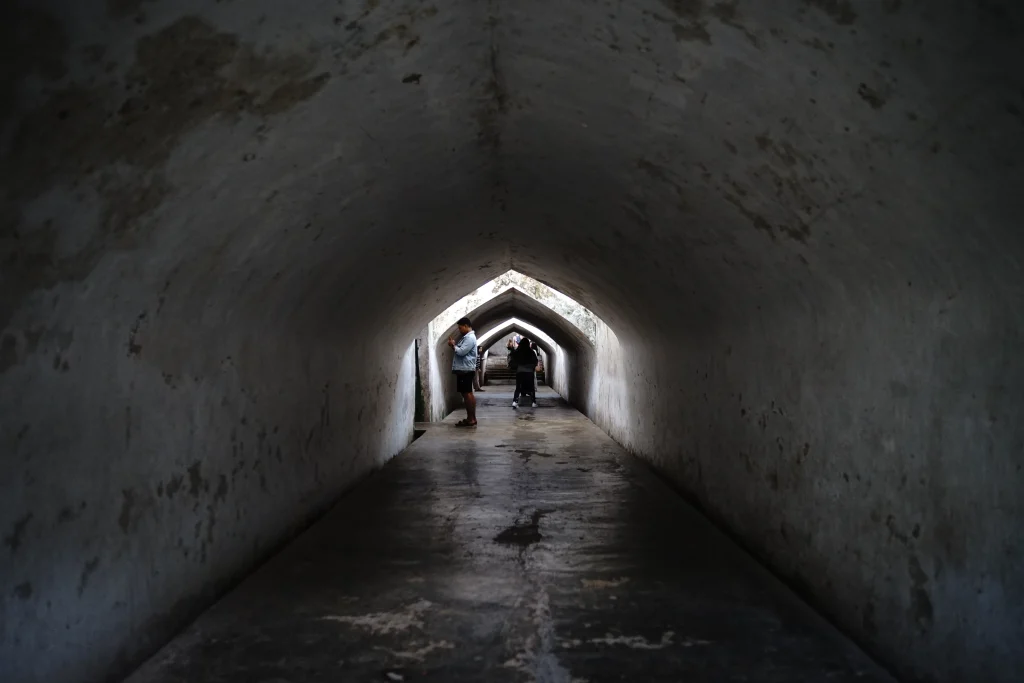
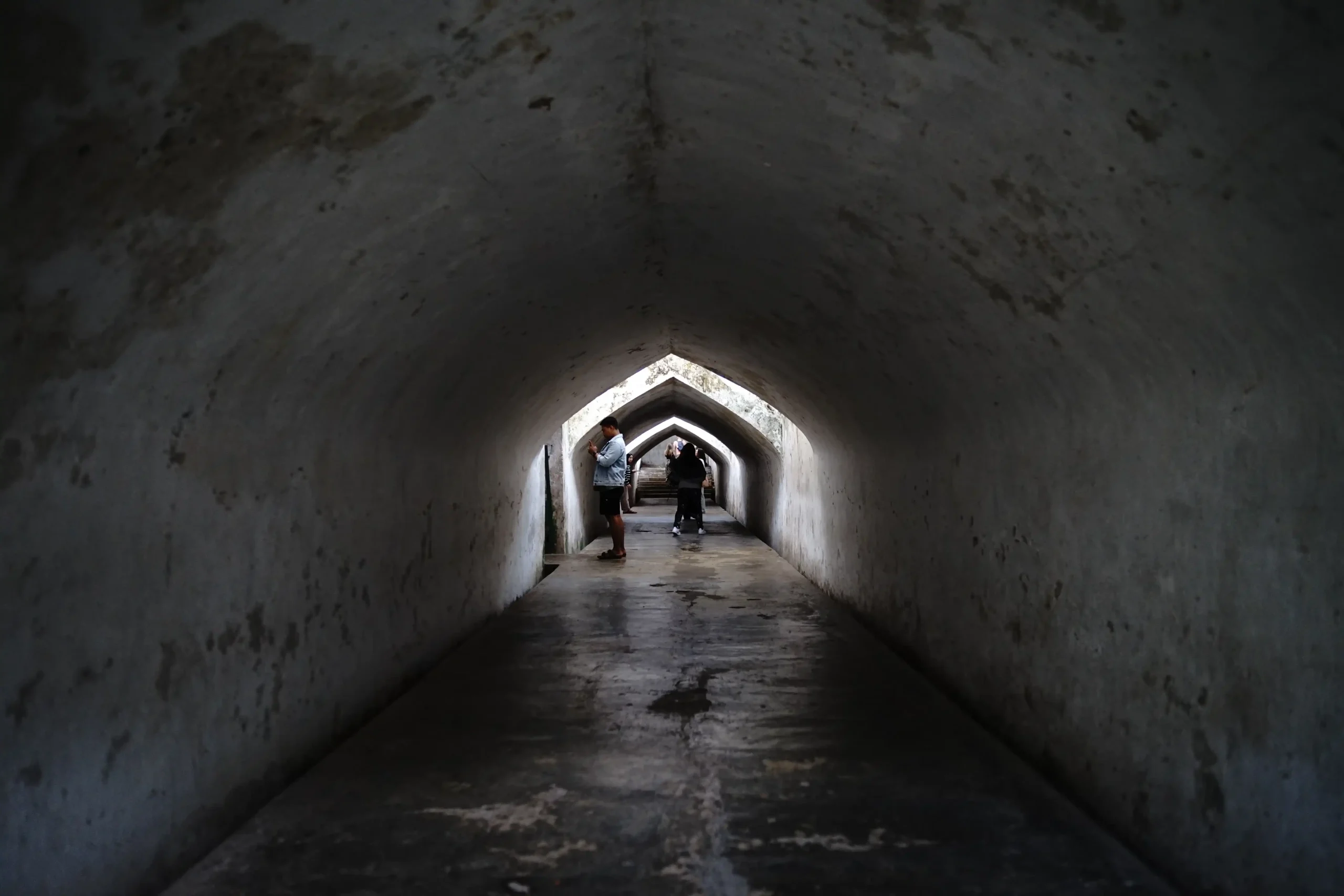
At the heart of Taman Sari lies Umbul Pasiraman, the royal bathing complex. Here, three pools of turquoise water are surrounded by high walls, decorated gates, and viewing towers. According to royal tradition, the Sultan would watch from above as his queens and consorts bathed below a scene that reflected both refinement and power. The elegant carvings and symmetrical design of this area remain among the most photographed landmarks in Yogyakarta today. Beyond Umbul Pasiraman, visitors can explore Sumur Gumuling, a remarkable underground mosque that symbolizes spiritual depth and architectural ingenuity. Built in a circular layout with five staircases converging at the center, it was used for meditation and secret prayer. The structure’s ingenious design allows air and light to circulate naturally an example of 18th-century engineering mastery. Another fascinating section is Pulo Kenanga, once a pavilion island surrounded by an artificial lake. In its era, boats carried the royal family across the calm waters to enjoy performances or solitude. Beneath its foundation lies a network of secret tunnels, said to connect directly to the Kraton Palace, providing a hidden escape route in times of war.
Architectural Harmony of Cultures
Taman Sari reflects the cultural richness of Yogyakarta in the 18th century, when the Sultanate welcomed influences from across the world. Its architecture harmoniously blends Javanese, Portuguese, and Dutch elements evident in the lotus-shaped gates, domed corridors, and European-style arches. Each corner embodies the fusion of spirituality and aesthetics, illustrating how the palace once served not only as a royal retreat but also as a statement of cosmopolitan sophistication.
Resilience Through Time
Throughout its history, Taman Sari has endured wars, colonial occupation, and earthquakes, which left much of the complex in ruins. Yet, restoration efforts particularly those led by local communities have revived parts of its grandeur. Walking through the site today, visitors encounter both preserved sections and romantic ruins, each whispering stories of royal life and the passage of time.
A Living Heritage
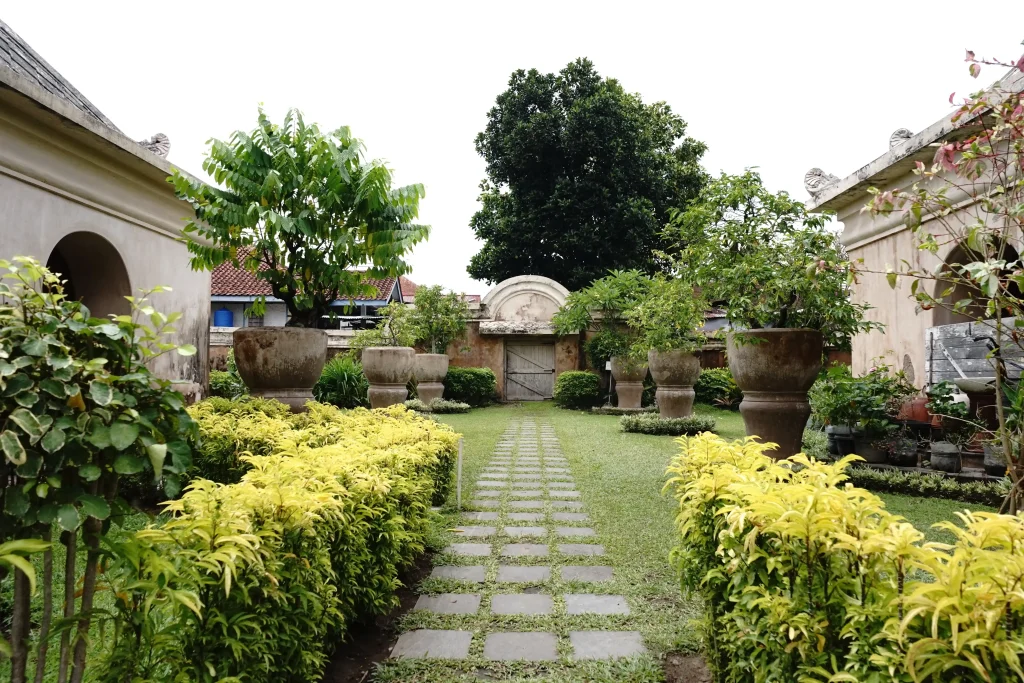
Today, Taman Sari is open daily from 09:00 to 15:00, inviting travelers to step back into the Sultanate’s golden age. The surrounding settlement is still home to descendants of royal servants and artisans, who continue to live and work within the old palace grounds. Their presence keeps the spirit of Taman Sari alive, transforming it from a mere archaeological site into a living museum of Javanese heritage. Visitors can wander through photogenic alleys, capture the play of light and shadow in its tunnels, or simply reflect by the pools where history once flowed. Whether viewed as an architectural wonder, a cultural monument, or a spiritual retreat, Taman Sari Water Castle remains one of Yogyakarta’s most enchanting destinations a place where history, beauty, and mystery converge like water in motion.